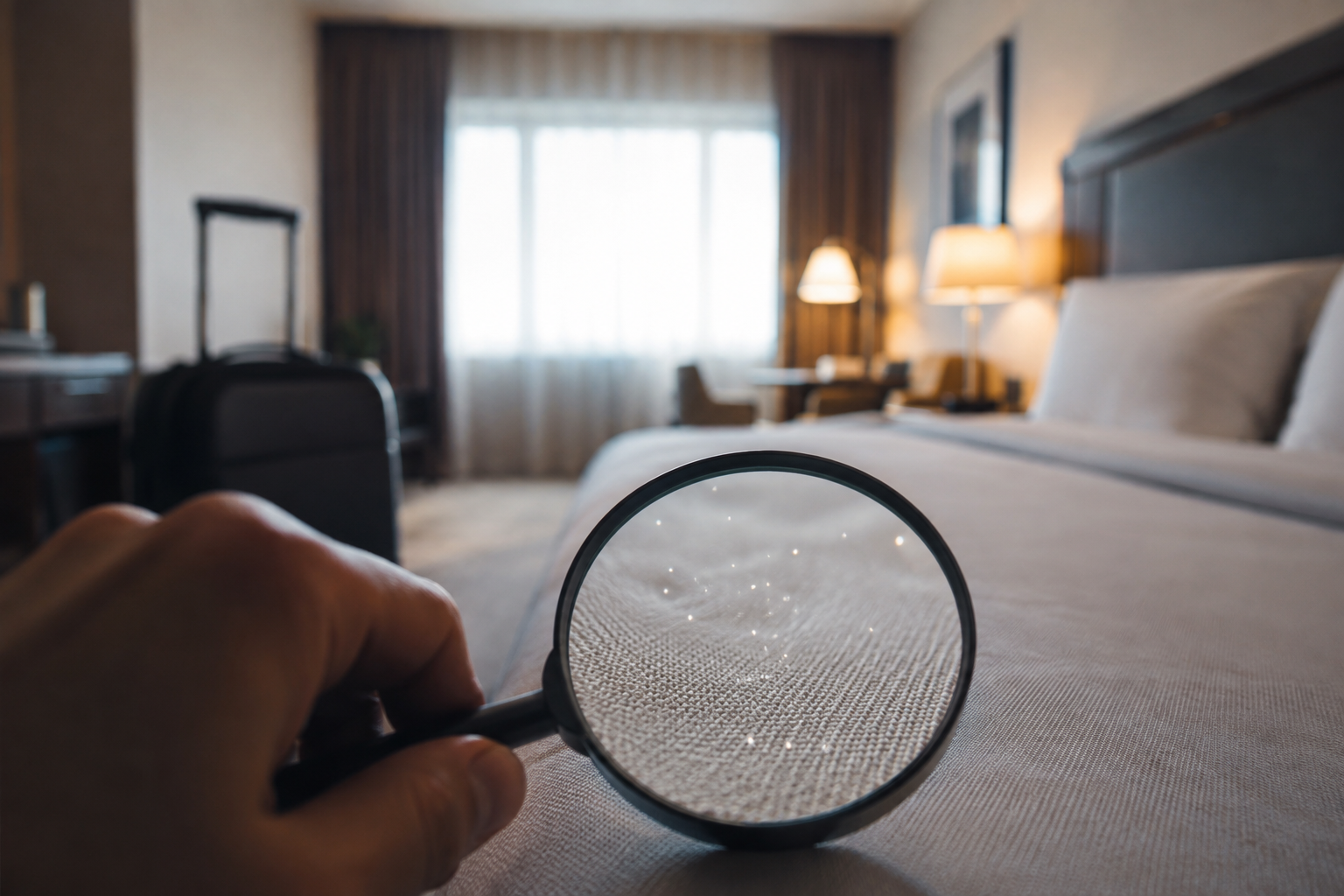
Why Hospitality Needs Independent Hygiene Certification
For decades, hotels have competed on comfort, service and location. Today, another factor increasingly determines guest trust:
Hygiene credibility.
Guests no longer simply assume hotel rooms are clean. They want reassurance that hygiene standards are actively managed, monitored and verified. That shift is changing the role of housekeeping in hospitality. What was once viewed mainly as an operational department is now becoming a strategic pillar of:
At Hygiene Certification, we believe the hospitality industry is entering a new phase: from subjective cleanliness… to objective hygiene quality management.
Cleanliness has become one of the most emotionally loaded aspects of the guest experience. A guest may forgive a slow check-in. They may overlook a minor service delay. But hygiene issues immediately impact:
And because reviews travel instantly, a single negative experience can influence thousands of future booking decisions. As Bill Marriott once said: “Take care of your associates and they’ll take care of your customers.”
In hospitality today, that principle extends directly to housekeeping standards and operational discipline. Because guests experience the quality of a hotel through the details: the bathroom, the bed linen, high-touch surfaces, air freshness and overall room condition. The room itself has become part of the hotel brand promise.
Most hotels already perform internal housekeeping inspections. And many teams work incredibly hard under high operational pressure. But internal checks alone often face limitations:
The challenge is not commitment. The challenge is objectivity. Hotels may genuinely believe hygiene standards are excellent, while guest perception tells a different story. That gap matters.
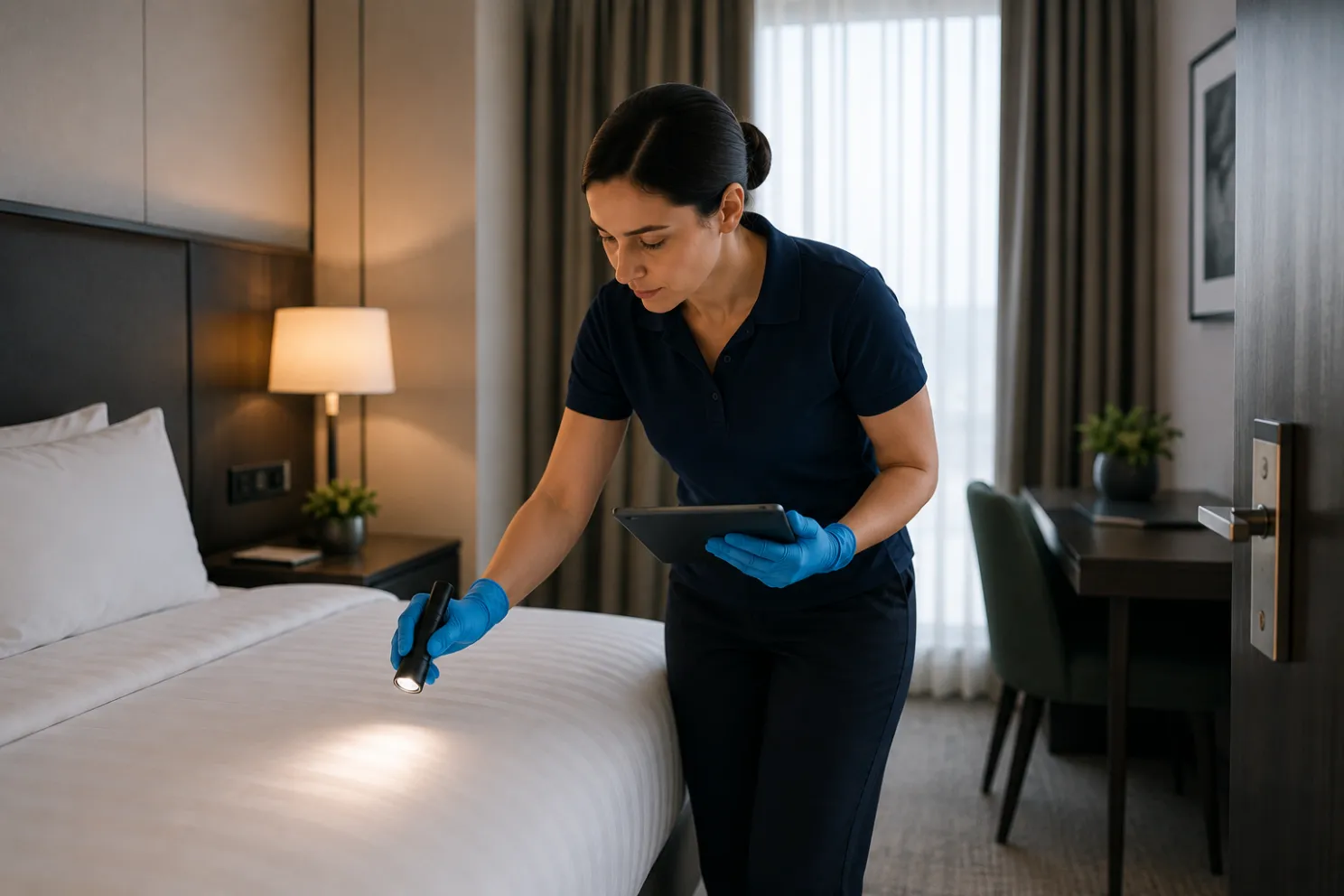
Independent hygiene certification introduces something the industry increasingly needs: credible external validation. Not based on assumptions. Not based on occasional spot checks. But based on structured standards, measurable inspections and consistent evaluation criteria. This creates several strategic advantages.
An independent hygiene label signals transparency and accountability. It tells guests: “We are confident enough in our standards to have them objectively verified.” In an era where trust directly influences booking behavior, that matters enormously.
One of the biggest operational challenges in hospitality is consistency. Guests expect the same hygiene experience:
Independent certification helps standardize expectations and performance. Not occasionally. Continuously.
Objective inspections provide management with something highly valuable: measurable operational intelligence. Instead of relying purely on assumptions or complaints, hotels gain:
That transforms hygiene into a management discipline rather than a reactive operational task.
Cleanliness remains one of the most influential themes in hotel reviews worldwide. Research from Booking.com and Tripadvisor consistently shows that cleanliness strongly influences:
And once negative hygiene perception appears online, recovery becomes difficult and expensive. Independent certification helps reduce that reputational risk proactively.
Clear standards create clarity. When housekeeping teams understand exactly:
…performance becomes more consistent and ownership increases. Independent audits are not about “catching mistakes.”. They are about building a culture of professionalism and continuous improvement.
For years, housekeeping often operated quietly in the background of hotel operations. But hospitality leaders increasingly recognize that housekeeping directly influences:
As Horst Schulze famously said: “Quality is never an accident. It is always the result of intelligent effort.”. That philosophy perfectly applies to hygiene management. Exceptional cleanliness does not happen by coincidence. It requires:
Hotels already measure:
So why should one of the most important guest expectations — hygiene — still depend mainly on subjective interpretation? The future belongs to hotels that can demonstrate hygiene quality, not just promise it. That is the mission of HC: helping hotels build trust through independent hygiene certification and objective room hygiene standards. Because guests deserve more than a room that looks clean.
They deserve a room that is: Proven Clean.