The Tour de France has put hotel hygiene back in the spotlight. Following last week's Women's World Cup story, another major sporting event shows why cleanliness is no longer just an operational standard—it's a key part of the guest experience.

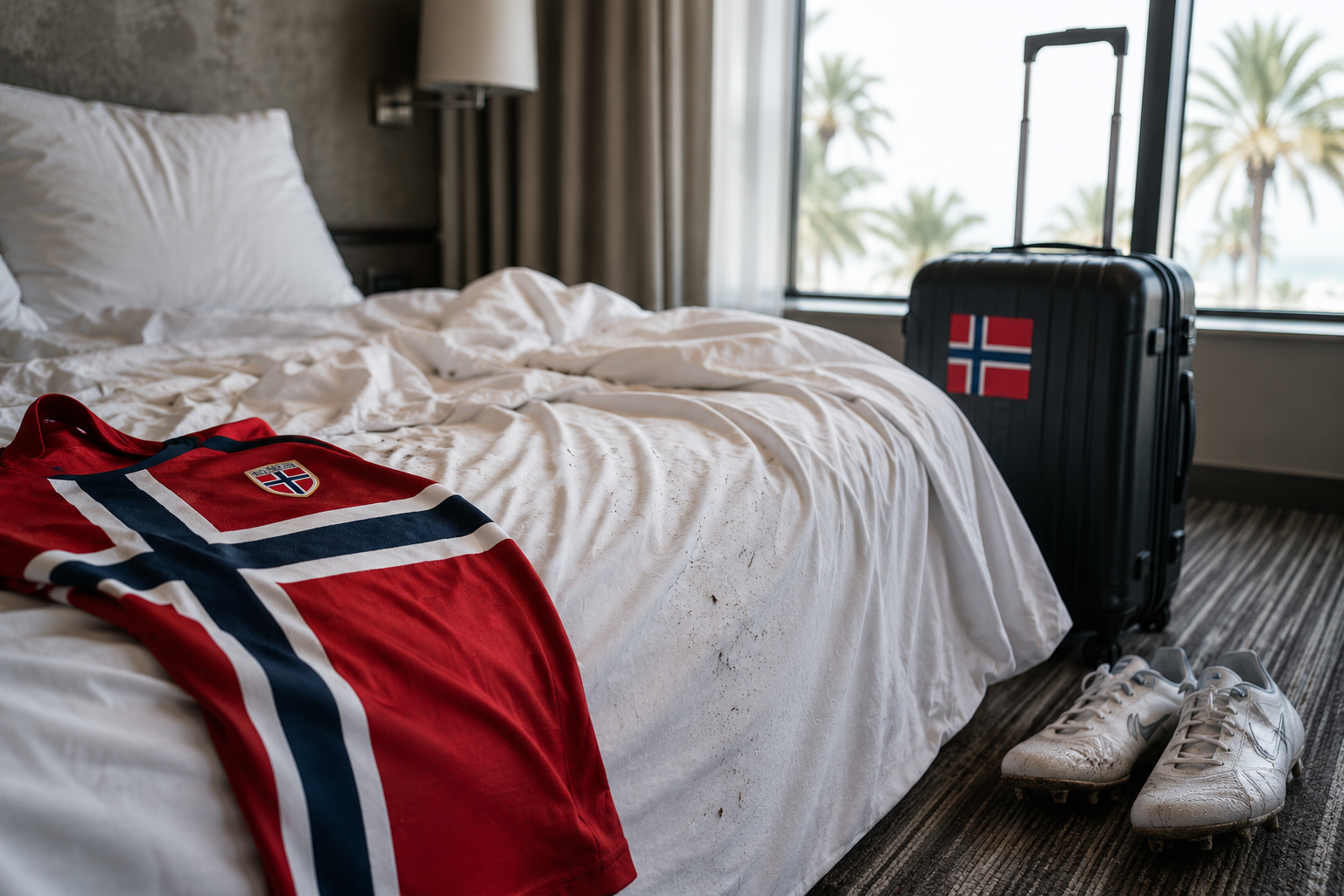
Only days after Norway's World Cup team changed hotels because of poor room conditions, hotel hygiene is making headlines again.
This time, it is the Tour de France.
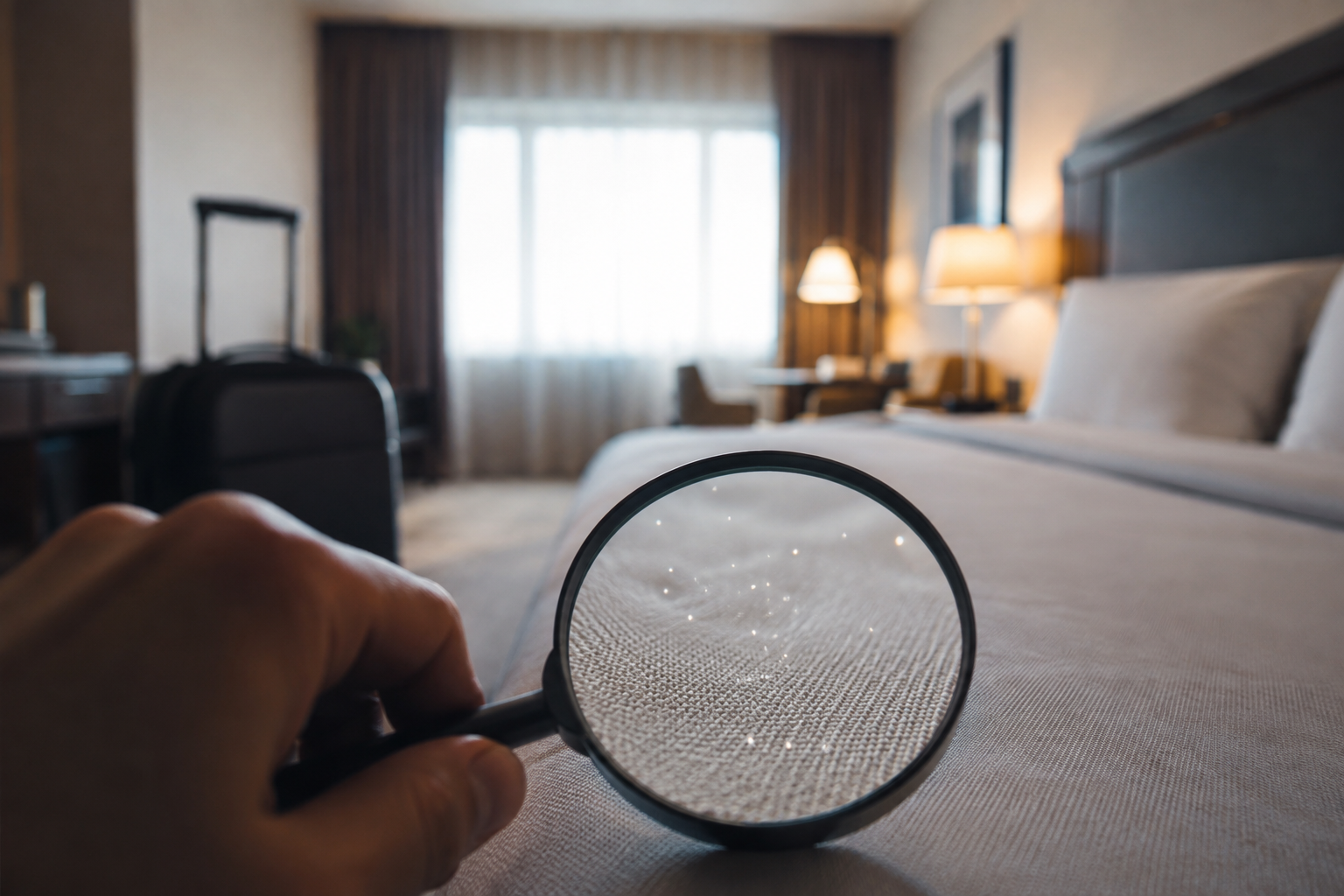
Several Tour de France teams complained about the cleanliness of their hotels. Riders from Uno-X Mobility even shared videos showing dusty rooms, cobwebs and insects. Some reportedly chose to sleep on the balcony instead of inside the hotel room.
For hotels, this is more than just another sports story.
Professional cyclists in the Tour de France rely on quality sleep to recover.
Business travellers need it to perform.
Holidaymakers need it to enjoy their stay.
Different guests, but exactly the same expectation: a hotel room that feels clean, comfortable and trustworthy.
Housekeeping may follow every procedure correctly, but guests judge something much simpler:
Ultimately, guests don't review housekeeping processes.
They review their experience.
Within one week, both the FIFA World Cup and the Tour de France have generated headlines about hotel cleanliness.
That is no coincidence.
It shows that cleanliness is not merely an operational task—it is part of the guest experience and directly influences trust.
Hotels invest heavily in housekeeping and internal quality checks.
But today's guests increasingly want reassurance that cleanliness isn't only claimed, but consistently delivered.
Independent hygiene verification helps bridge that gap by validating cleanliness from the guest's perspective.
Because trust begins long before check-in.
It begins with confidence that the room will be as clean as promised.
Related article: https://www.hygiene-certification.com/blog/als-zelfs-een-wk-ploeg-verhuist-vanwege-vieze-hotelkamers-waarom-zouden-gasten-genoegen-nemen-met-minder